
A Valentine’s squeeze is hitting the global flower trade, and nature is behind it.
Lloyds and Earth Blox quantify nature risk for corporates in new report, The Missing Line Item
Read the report

A Valentine’s squeeze is hitting the global flower trade, and nature is behind it.
This Valentine’s Day, pressure is building across the global flower supply chain. In India, unseasonal cold snaps delayed greenhouse harvests, pushing wholesale rose prices close to double their usual levels. In the UK and EU, quality issues are emerging, with more than a third of imported roses from East Africa affected. In Australia, retailers are increasingly turning to native flowers as biosecurity hurdles make imports less reliable.
The global rose market is valued at US$12 billion annually, with high seasonal demand and limited tolerance for disruption. What’s playing out now is not a one-off shock, but a signal of deeper, nature-driven risk embedded in retail supply chains.
Greenhouses have long been seen as a buffer against weather risk. However, cold shocks in major growing regions, such as Pune, India, pushed temperatures beyond the conditions under which greenhouse systems typically operate efficiently, delaying harvests during peak demand. In East Africa, record heat is accelerating plant stress and degrading rose quality, placing further strain on already stretched production systems.
The implication is clear: growing under glass reduces exposure to variability, but it does not eliminate climate risk when ambient conditions move beyond historical operating ranges. As climate variability increases, energy demand, input costs, and system stress rise in parallel.
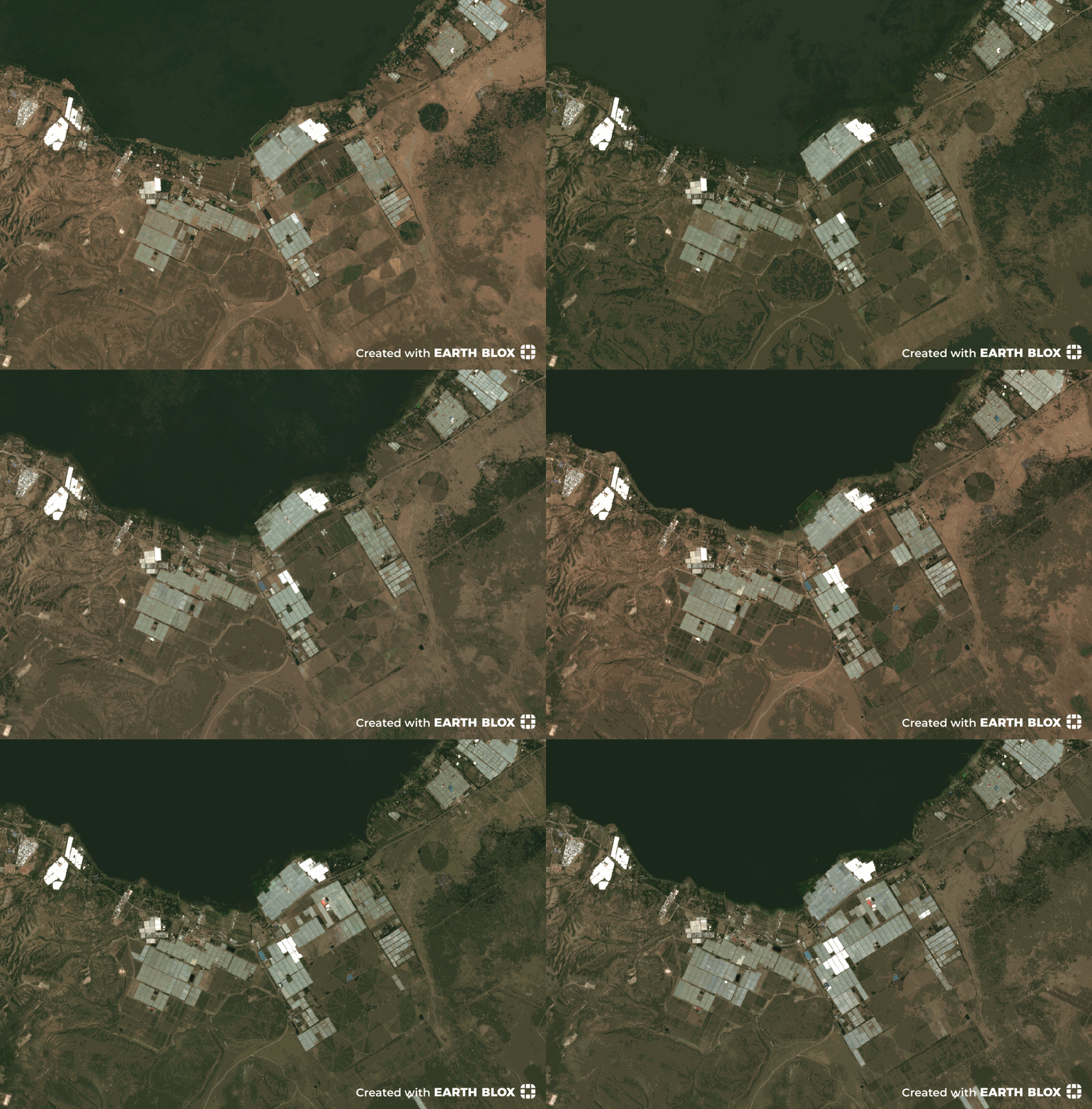
Rising temperatures are reshaping biological risk. The False Codling Moth, native to sub-Saharan Africa, has triggered heightened inspections and rejections at European borders.
For exporters, this turns a biological shift into a commercial one, increasing compliance costs and shipment risk. For retailers and wholesalers, the impact shows up as tighter supply, higher prices, and reputational exposure linked to quality or availability during key seasonal windows.
Roses are among the most resource-intensive crops in global horticulture. Maintaining yield and shelf life requires significant water and nutrient inputs, a growing challenge in regions already facing soil degradation and water scarcity.
In parts of Kenya and Ethiopia, years of intensive production have contributed to soil degradation and increasing pressure on local water resources. Water constraints, rising input costs, and tighter regulation are converging to make business-as-usual increasingly fragile.
This is driving change. In Australia, retailers are leaning on native flowers because they require less water and fewer chemical inputs, while offering greater supply certainty.
This Valentine’s Day highlights a simple reality: seasonal certainty is no longer guaranteed.
To protect margins and resilience, retailers and brands are beginning to adapt in three ways:
The winners will be those who treat nature risk as a strategic input, not an operational afterthought.
From flowers to cocoa to cotton, supply chains shaped by nature need better visibility. At Earth Blox, we provide spatial insight into water stress and ecosystem degradation so sourcing teams can stay ahead of seasonal shocks. Book a call to see how you can uncover nature risks and opportunities in your supply chain.
Because in today’s economy, love might be blind, but supply chains can’t afford to be.


.avif)